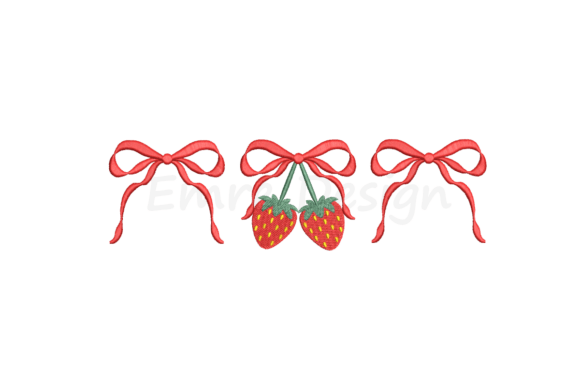
Coquette Cherry Bow Embroidery Design Review
As a professional embroidery digitizer and product reviewer, I approach every new machine embroidery design with a critical eye toward production viability. The Coquette Cherry Bow Embroidery Design immediately catches attention because it sits squarely at the intersection of current aesthetic trends and classic summer nostalgia. When evaluating this embroidery file for real-world application, my primary concern is not just how pretty it looks on a screen, but how it translates to needle and thread on physical goods. This design offers a whimsical, feminine touch that is currently dominating the handmade product market, but its delicate nature requires specific technical considerations to ensure a high-quality finished product.
Aesthetic First Impressions and Trend Relevance
The visual personality of the Coquette Cherry Bow Embroidery Design is undeniably soft and playful. It captures the essence of the "coquette" trend—think ribbons, cherries, and vintage romance—which has seen massive engagement across platforms like Etsy and Pinterest. For an Etsy seller or boutique owner, this motif signals relevance. However, from a designer’s perspective, I am looking at the balance between the fruit elements and the ribbon details. A successful Summer themed Embroidery asset must avoid looking cluttered. This design appears to maintain necessary negative space, which is crucial for preventing fabric puckering when stitching on lighter weight materials often used in warm-weather apparel.
The mood is distinctly youthful yet refined enough for adult custom apparel. It avoids being overly cartoonish, making it versatile for both teen fashion and nostalgic home decor. When reviewing the layout, I note that the composition feels balanced for center-chest placement on sweatshirts or as a focal point on tote bags. The interplay of potential satin stitch outlines against fill stitch areas suggests a texture that will pop visually without requiring excessive thread density, provided the digitizing is optimized for production.
Real-World Application: Stitching a Custom Tote Bag
To truly evaluate this digital embroidery file, I mentally simulate a production run for a canvas tote bag design. Canvas is unforgiving; it shows every registration error and tension issue. In this scenario, the Coquette Cherry Bow Embroidery Design serves as a perfect test case for structural integrity. If I were preparing this for a client order, I would first assess the underlay. For a bag that will carry weight, the design needs sufficient underlay to prevent the stitches from sinking into the canvas weave.
In a real-life shop environment, I would pair this design with natural unbleached cotton canvas. The contrast of red cherry threads and soft pink or cream bow elements against the natural fabric creates a premium, organic look that customers associate with high-value small shop products. During the stitching process, I would watch closely for jump stitch management. Intricate bow loops can sometimes result in excessive trims if not digitized efficiently. For a commercial embroidery business, time is money; a design that minimizes unnecessary jumps while maintaining the delicate flow of the ribbon is essential for profitability. If this design stitches out cleanly on canvas without excessive topping, it confirms its suitability for heavier utility items like aprons and garden flags.
Navigating Fabric Limitations and Stabilization
While the Coquette Cherry Bow Embroidery Design shines on stable fabrics, it demands caution when applied to stretchy or textured surfaces. As a reviewer, I must emphasize that fabric texture dictates success. If you plan to use this for baby embroidery on ribbed onesies or jersey knit t-shirts, the stabilization strategy is non-negotiable. The delicate curves of the bow and the small stems of the cherries are high-risk areas for distortion on knits.
- Stretchy Fabrics: Always use a fusible cut-away stabilizer rather than tear-away to support the intricate details of the bow during and after washing.
- Textured Surfaces: For terry cloth towels or waffle weave, use a water-soluble topping to prevent the running stitches from getting lost in the pile.
- Dark Fabrics: Test thread colors rigorously. Red cherry threads can sometimes appear muddy on black fabric unless outlined with white or highlighted with a lighter shade to create separation.
- Sheer Materials: If using this on organza or voile for window treatments, verify the stitch density is light enough to prevent tearing the base fabric.
I would advise against using this specific design on highly curved surfaces like structured caps unless you have verified the hoop size and distortion settings. The horizontal spread of a bow design can warp significantly on a curved cap frame, turning a charming coquette aesthetic into a distorted mess. Stick to flat hoops for the best representation of this artwork.
Commercial Viability and Product Value
For creative entrepreneurs and apparel decorators, the Coquette Cherry Bow Embroidery Design represents a strong commercial asset. Its value lies in its giftability. This motif naturally lends itself to personalized gift sets, such as matching mother-daughter sweatshirt embroidery or bridal party tote bags. From a branding perspective, it offers a cohesive look for shops focusing on cottagecore, vintage revival, or girly aesthetics. Customers trust sellers who demonstrate consistent quality; a clean, well-executed stitch-out of this design communicates professionalism far better than generic clip art.
However, before listing any custom apparel or selling finished goods, you must confirm the licensing terms associated with this embroidery project. Ensure your purchase includes commercial rights for physical products if you intend to sell them. Additionally, if you are creating printable mockups or digital previews for your listings, render the design accurately. Do not over-saturate the colors in your marketing images, as this sets unrealistic expectations for the actual thread sheen. Authenticity builds buyer engagement and reduces return rates due to color discrepancies.
Designer Notes for Optimal Results
Before committing this machine embroidery design to a final product, adhere to these practical testing protocols. These steps separate hobbyists from professional makers:
- Test on Scrap Fabric: Never stitch directly onto a sellable item without a prior test. Use a scrap of the exact same material and stabilizer combination intended for the final piece.
- Check Hoop Size Compatibility: Verify that the design fits your hoop with adequate margin. Crowding the edges of the hoop can cause tension issues that distort the bow's symmetry.
- Evaluate Thread Contrast: View your test stitch-out in natural daylight. Indoor lighting can mask poor contrast between the cherry reds and the background fabric.
- Inspect Small Details: Zoom in on the stem connections and bow knots. If the running stitch is too thin or the satin columns are too narrow, they may break or fray after laundering.
- Wash Test: For items like tea towels or baby clothes, wash and dry the test swatch. This reveals whether the stitch density was appropriate or if the fabric pulls around the design.
- Mockup Verification: Create black and white versions of your mockups to check value contrast. If the design disappears in grayscale, it lacks sufficient tonal variation for visual impact in photos.
The Coquette Cherry Bow Embroidery Design is a delightful addition to any design assets library, particularly for those targeting the summer season or feminine demographics. By approaching it with technical diligence and respecting the interaction between thread and textile, you can elevate this whimsical graphic into a staple of your craft business. Whether applied to a cozy sweatshirt, a breezy sundress, or a cherished nursery pillow, the success of this design ultimately depends on the maker's commitment to quality execution over mere novelty.