Japanese Machine Embroidery File Review
As an embroidery designer preparing for a seasonal drop, selecting the right artwork is about more than just aesthetics; it is about understanding how a digital file translates onto physical fabric. When evaluating this Japanese Machine Embroidery File for our upcoming boutique sweatshirt collection, my primary focus was on versatility and commercial viability. The description promises serene beauty with an elegant Mount Fuji Sakura design in a circular patch format. For small clothing brands and Etsy sellers, this specific layout offers distinct advantages for apparel decoration, but it also requires careful technical consideration to ensure the final product meets premium standards.
First Impressions and Design Aesthetics
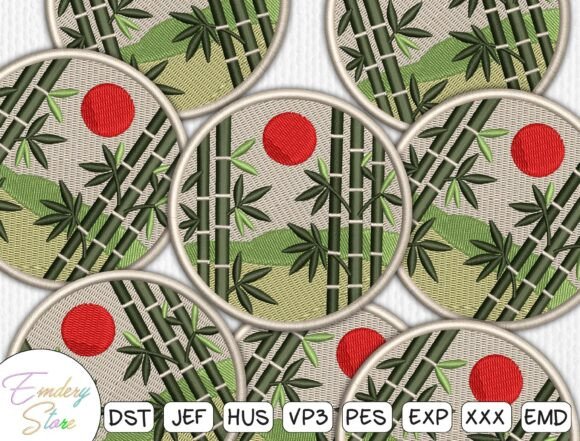
Upon loading the embroidery file into my digitizing software, the first impression is one of balanced composition. Circular patch designs are currently trending in custom apparel because they mimic traditional woven patches without the bulk or cost of outsourcing. This particular machine embroidery design captures the essence of Asia through iconic imagery—Mount Fuji and cherry blossoms—but does so with a stylized elegance that avoids looking like a generic souvenir. The mood strikes a perfect balance between feminine softness and rustic durability, making it suitable for both cozy seasonal apparel and minimalist streetwear.
For a boutique brand, the visual weight of this design feels substantial yet refined. It does not feel overly dense or heavy, which is crucial when embroidering on plush fleece fabrics. The integration of the snow-capped peak with delicate sakura elements suggests a thoughtful use of negative space. This is vital for maintaining clarity when the design is stitched out. As a designer, I appreciate that this isn't just a picture; it is a cohesive badge that can serve as a standalone brand identifier or a complementary accent piece on larger garments.
Application on Sweatshirts and Hoodies
The true test of any sweatshirt embroidery project is how the art interacts with the garment's texture. Fleece and French terry fabrics have a pile that can swallow fine details. Because this Japanese Machine Embroidery File utilizes a circular boundary, it naturally contains the stitching area, preventing distortion on stretchy knit fabrics. I envision this working exceptionally well as a left-chest placement on oversized hoodies. This location is prime real estate for Etsy seller listings because it photographs beautifully in lifestyle shots and mockups.
When considering colorways, this design shines across various palettes. On neutral sweatshirts like oatmeal, sage, or charcoal, the design acts as a sophisticated focal point. For pastel collections, the sakura elements can be adjusted to match the base fabric for a tonal, high-end look. Conversely, on dark navy or black hoodies, increasing the contrast of the snow cap and flower petals creates a bold, graphic statement. This adaptability makes the digital embroidery file a valuable asset for shops offering multiple color variants without needing entirely new artwork.
Placement Strategy for Commercial Use
- Chest Placement: Ideal for the 3-inch to 4-inch size range, creating a classic logo aesthetic.
- Sleeve Accents: The circular shape fits perfectly on long sleeves near the cuff or bicep for added detail.
- Back Yoke: Scaled up slightly, this works as a subtle back neck design for premium branding.
- Patch Style: Stitch directly onto the garment or create actual patches for interchangeable merchandise.
Technical Considerations for Production
Before running production, every apparel decorator must verify the technical specs. While the artistic rendering is beautiful, practical concerns dictate success. Always check the specific hoop size requirements and stitch count included with your download. For sweatshirt embroidery, stabilizer choice is non-negotiable. I recommend using a medium-weight cutaway stabilizer rather than tear-away to prevent puckering around the circular edges. The stretch of the sweatshirt fabric combined with the density of the mountain and floral fills requires a stable foundation to maintain shape after washing.
Thread color contrast is another critical factor. Since this is a commercial embroidery application, you must ensure the design remains readable from a distance. If stitching on a white sweatshirt, the white snow cap needs definition, perhaps through shading stitches or a darker outline. Without this, the top of Mount Fuji disappears into the fabric. Similarly, verify that the stitch density is appropriate for fleece. If the file is too dense, it will create a bulletproof patch that stiffens the garment. If it is too sparse, the fabric texture will show through unevenly. Running a test stitch-out on the exact fabric you intend to sell is the only way to guarantee quality.
Enhancing Brand Value and Customer Trust
In the competitive landscape of handmade products and online retail, presentation is everything. Using a cohesive, professionally reviewed design asset like this elevates perceived value. Customers associate clean, well-executed embroidery with quality construction. When an Etsy seller uses this Japanese Machine Embroidery File, they aren't just selling a hoodie; they are selling an aesthetic. The serene nature of the design appeals to buyers looking for mindfulness, travel nostalgia, or cottage-core vibes.
Furthermore, consistent use of themed designs helps build brand identity. If your shop focuses on Asian-inspired art or nature themes, this file reinforces that niche. High-quality printable mockup previews featuring this design can significantly increase click-through rates. Buyers need to visualize the finished product before purchasing. By showcasing the design on realistic sweatshirt templates, you bridge the gap between digital file and tangible goods. This transparency builds trust and reduces returns due to unmet expectations.
Durability and Long-Term Wear
A small shop product must withstand real-world use. Boutique customers expect their purchases to last. When evaluating this embroidery file for longevity, consider the washability of the satin stitches likely used in the sakura petals and the fill stitches in the mountain. Satin stitches are prone to snagging if too wide. Ensure the digitizer has kept column widths within safe limits for apparel. Additionally, remind your customers of proper care instructions. Embroidered sweatshirts should be washed inside out in cold water to preserve thread sheen and prevent friction damage.
The circular patch format inherently protects the design. Unlike rectangular or irregular shapes where corners can lift or fray, a circle distributes tension evenly. This structural integrity makes the Japanese Machine Embroidery File particularly robust for frequent wear. For creative entrepreneurs, this means fewer customer service issues regarding defective embroidery and higher satisfaction ratings. Durability is a silent marketing tool; when a customer’s favorite hoodie looks great after twenty washes, they return for more.
Final Verdict for Boutique Owners
After thorough evaluation, this Japanese Machine Embroidery File stands out as a strong contender for seasonal collections. It balances artistic charm with technical functionality, making it suitable for everything from casual hoodies to premium branded merchandise. Its versatility across fabric colors and placement options provides excellent ROI for digital sellers and crafters alike. However, success lies in the execution. Pay attention to stabilizer selection, contrast adjustments, and fabric testing.
For those building a handmade product line centered around serenity and cultural appreciation, this design offers a professional starting point. It transforms a basic blank sweatshirt into a storytelling piece. Whether you are launching a limited drop or expanding your permanent catalog, this embroidery file delivers the visual impact necessary to capture attention in a crowded marketplace. Just remember to validate all technical specifications against your specific equipment and materials before committing to full-scale production.