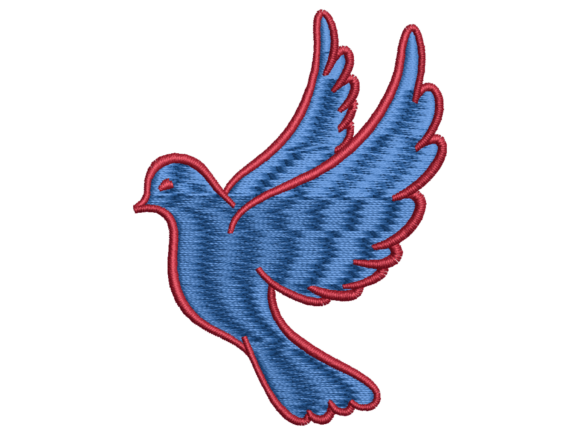
Minimal Flying Dove Embroidery: A Designer’s Review
As a professional embroidery designer and product reviewer, I approach every new machine embroidery design with a critical eye. It is not enough for a graphic to look appealing on a screen; it must translate into physical stitches that hold up to washing, wearing, and customer scrutiny. When evaluating the Minimal Flying Dove Embroidery, my primary focus is on how this digital asset performs in real-world production environments. This review breaks down the practical application of this design for fellow makers, Etsy sellers, and apparel decorators who need reliable results for their businesses.
First Impressions: Simplicity as a Strength
The initial appeal of the Minimal Flying Dove Embroidery lies in its restraint. In an industry often saturated with overly dense, complex artwork, this design embraces negative space. The silhouette suggests movement without requiring thousands of unnecessary stitches. For a designer, this "less is more" aesthetic signals versatility. It does not compete with the garment or item it adorns; rather, it complements it. The shape feels organic yet structured, avoiding the jagged edges that sometimes plague poorly digitized bird motifs. This clean visual personality makes it an immediate candidate for modern, minimalist branding and contemporary handmade products.
Real-World Application: Stitching a Custom Tote Bag
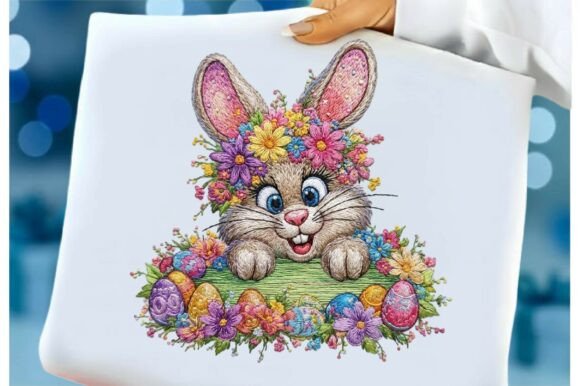
To truly judge this embroidery file, I mentally placed it in a specific production scenario: creating a custom canvas tote bag for a boutique client. Canvas is a textured, unforgiving fabric that can swallow fine details. Here, the minimal nature of the dove becomes a functional advantage. Because the design likely relies on defined shapes rather than microscopic shading, it maintains clarity against the weave of the canvas.
In this project, the dove serves as a focal point without adding excessive weight to the bag. Heavy, dense designs can cause tote bags to pucker or distort, especially if the stabilizer choice is imperfect. The Minimal Flying Dove Embroidery allows for a lighter touch. Whether executed as a crisp satin stitch outline or a tasteful fill stitch, the design respects the integrity of the base material. For an Etsy seller or small shop owner, this means faster run times and less risk of fabric distortion, directly impacting profit margins and product quality.
Versatility Across Apparel and Home Goods
Beyond tote bags, this design shows strong potential across various categories. Its scale and simplicity make it adaptable for multiple end uses:
- Sweatshirt Embroidery: Placed over the heart or centered on the chest, the dove offers a subtle, gender-neutral motif that appeals to adult buyers seeking understated style.
- Baby Embroidery: The soft imagery is perfect for nursery decor or onesies. However, designers must ensure the stitch texture remains smooth against sensitive skin.
- Holiday Embroidery: Doves are traditional symbols of peace, making this file a valuable asset for seasonal collections without being overtly religious or dated.
- Embroidered Patches: The distinct silhouette translates exceptionally well to patch making, where edge definition is paramount.
For those managing a craft business, having a single digital embroidery file that services four distinct product lines maximizes the return on investment. It reduces the need to purchase separate files for babies, adults, holidays, and accessories.
Navigating Fabric Challenges and Technical Limits
While the Minimal Flying Dove Embroidery is versatile, no design is immune to physics. Experienced embroiderers know that placement and substrate matter. This design requires careful consideration when applied to challenging materials.
Stretchy Knits and Performance Wear: If you plan to use this on activewear or thin jersey knits, the open areas of the design could gap if the tension is too high or the stabilizer is insufficient. Always pair this with appropriate cut-away stabilizer to prevent the dove from distorting after the first wash.
Textured and Dark Fabrics: On terry cloth or fleece, fine running stitches may get lost. You may need to adjust the underlay or increase stitch width slightly to ensure the bird reads clearly. Conversely, on dark fabrics, contrast is key. A white or metallic thread will make the minimal lines pop, whereas a tone-on-tone approach might render the design invisible due to shadow loss.
Small Hoop Sizes: While minimalism scales down better than realism, there is a limit. Before committing to a 4x4 hoop size, verify that the smallest details of the wings or beak do not merge. Overly reduced satin stitches can turn into thread buildup, creating a hard, uncomfortable lump rather than a graceful bird.
Impact on Product Value and Customer Perception
In the marketplace, perceived value drives sales. A poorly stitched design screams "amateur," regardless of the garment's quality. The Minimal Flying Dove Embroidery supports a high-value presentation because of its intentionality. Customers associate clean lines and purposeful spacing with premium craftsmanship.
For commercial embroidery providers, consistency builds trust. Using a design that stitches out reliably every time ensures that your fiftieth sweatshirt looks identical to your first. This reliability is crucial for batch production and maintaining brand standards. Furthermore, the timeless nature of a flying dove means the finished product will not look outdated in six months, protecting your inventory investment.
Essential Notes for Designers and Makers
Before adding this to your next collection, adhere to these professional best practices to ensure success:
- Test Stitch First: Never run a new design directly on a sellable item. Test on scrap fabric that matches your final project’s weight and texture. Check for registration issues or puckering.
- Verify File Compatibility: Remember that digital embroidery files are delivered in ZIP or RAR format. Ensure your machine or software can extract and read the specific format inside before starting production.
- Check Licensing: As a digital product with no returns or refunds, confirming usage rights is your responsibility. Verify whether the license permits selling finished physical items versus reselling the digital file itself.
- Mockup Strategy: Use printable mockups to visualize placement. However, always validate these digital previews with a physical test, as screen rendering cannot simulate thread sheen or fabric pull.
- Thread Color Planning: Minimal designs rely heavily on color choice. Test different thread brands and colors. A matte cotton thread creates a completely different mood than a high-sheen rayon or polyester.
Final Thoughts for the Creative Entrepreneur
The Minimal Flying Dove Embroidery represents a smart addition to any serious embroiderer's library. It balances aesthetic beauty with technical pragmatism, offering a solution that works for both personalized gifts and commercial merchandise. By understanding its strengths in negative space and its limitations on difficult fabrics, you can leverage this design to create professional, market-ready products. Always treat this digital asset as a starting point; your expertise in hooping, stabilization, and color selection is what ultimately transforms a file into a cherished handmade product.