Minimalist Skull Line Art: A Designer’s Review
As an embroidery designer preparing for a seasonal capsule collection, I am constantly evaluating digital assets that bridge the gap between niche appeal and broad commercial viability. When sourcing a new machine embroidery design for a boutique brand, the goal is never just to fill space on fabric; it is to create a garment that communicates quality and intention. My latest evaluation focuses on the Minimalist Skull Line Art Embroidery design, a motif that promises to bring a sleek, modern edge to apparel without relying on heavy saturation or outdated gothic tropes. For small clothing brands and Etsy sellers looking to elevate their Halloween offerings or expand their edgy minimalism lineup, this review breaks down how this design performs in a real-world production environment.
First Impressions: Balancing Edge with Clean Aesthetics
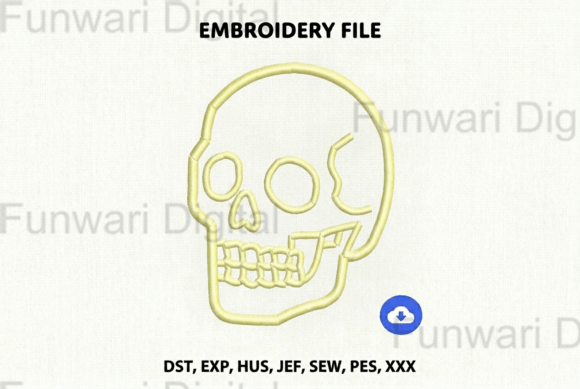
The immediate strength of the Minimalist Skull Line Art Embroidery lies in its restraint. In the world of commercial embroidery, there is often a temptation to over-digitize skull motifs, resulting in dense, bulletproof patches that distort lightweight fabrics. This design takes a different approach. The line art style suggests a focus on negative space and fluid stitch paths rather than solid fills. Upon reviewing the digital preview, the mood strikes a perfect balance: it is undeniably a skull, yet it feels architectural and contemporary rather than aggressive.
For a boutique brand, this distinction is critical. We are not targeting costume shops; we are targeting customers who want wearable art that transitions from October festivities into everyday winter wear. The layout appears optimized for visibility at smaller scales, which is essential for chest placements on oversized hoodies. The stitching personality feels deliberate, likely utilizing running stitches or bean stitches to mimic the look of hand-drawn ink. This aesthetic aligns perfectly with current trends favoring organic, imperfect lines over rigid, industrial precision, making the finished product feel more like a premium handmade product than mass merchandise.
Application Strategy for Sweatshirts and Hoodies
When integrating this embroidery file into a sweatshirt collection, versatility is key. Based on the clean aesthetic described, I envision three distinct applications for this design across different apparel silhouettes:
- Left Chest Placement: On neutral cream or oatmeal sweatshirts, a 3-inch to 4-inch version of this design creates a subtle, high-end streetwear vibe. The minimalist nature ensures it doesn't overwhelm the cozy texture of French terry or fleece.
- Oversized Hoodie Center: Scaled up slightly, this design works beautifully as a center-chest graphic on dark charcoal or black hoodies. Here, the line art acts as a focal point without adding excessive weight to the garment front.
- Sleeve Accents: For a unique custom apparel detail, consider placing a smaller iteration on the wrist or forearm. This adds perceived value and encourages social media sharing, as sleeve details photograph exceptionally well in lifestyle shots.
For Etsy seller listings, this design supports strong visual storytelling. Because the art is uncluttered, it translates exceptionally well to printable mockup previews. Buyers can clearly see the design intent even before production, reducing hesitation. Furthermore, the gender-neutral appeal of minimalist line art expands your potential customer base significantly compared to hyper-stylized or overly cute alternatives.
Technical Considerations for Production Success
A beautiful screen image does not always guarantee a successful stitch-out. As designers, we must address practical concerns before loading the digital embroidery file into our machines. While specific technical specifications depend on the vendor, here are the critical factors I evaluate when testing Minimalist Skull Line Art Embroidery for production:
Fabric Texture and Stabilizer Choice
Sweatshirt fleece has a pile that can swallow fine lines. If this design relies heavily on single running stitches, there is a risk of the thread sinking into the fabric texture. During test stitching, I recommend using a medium-weight cutaway stabilizer permanently adhered to the back of the garment. For darker fabrics where show-through is a concern, a black poly-mesh stabilizer is ideal. Always verify if the design includes underlay; for line art on fleece, a light edge-run or center-walk underlay is non-negotiable to prevent distortion and ensure the lines remain crisp on top of the nap.
Thread Colors and Contrast
The "minimalist" descriptor implies that color choice will make or break the final look. On pastel sweatshirts, consider using a tonal thread (e.g., slate grey on lavender) for a sophisticated, embossed effect. On dark garments, avoid pure white if you want to maintain a soft, vintage feel; opt for bone, ecru, or metallic gold instead. Remember that thread colors interact differently with fabric dye under various lighting conditions. Test your palette in natural light to ensure the contrast meets your brand standards for readability and aesthetic impact.
Stitch Density and Durability
One of the primary advantages of line art designs is typically lower stitch density. This is excellent for maintaining the drape of a cozy sweatshirt. However, low density means fewer anchor points. Before committing to a full small shop product run, perform a wash test. Line art can sometimes pull or fray if the tension is too tight or the stitch length is too long for the specific fabric weight. Ensure the design feels secure enough for commercial apparel use, especially if your customers expect machine-washable longevity.
Elevating Brand Value Through Design Assets
In the competitive landscape of handmade apparel, your choice of design assets directly influences buyer trust and brand identity. Using a cohesive, professionally digitized motif like Minimalist Skull Line Art Embroidery signals to customers that you curate your collections with care. It moves your shop away from generic clip-art aesthetics toward a recognizable signature style.
This design also offers excellent ROI for creative entrepreneurs. Because it balances a classic edgy motif with a clean aesthetic, it is not strictly limited to Halloween. It serves as a transitional piece that keeps inventory moving through November and December. For custom apparel businesses, it provides a safe yet stylish option for clients who want something alternative but not offensive or overly loud. The visual recognition gained from consistent use of high-quality, minimalist graphics helps build a loyal following that associates your brand with modern craftsmanship.
Final Verdict for Boutique Collections
After evaluating the aesthetic potential and technical requirements, Minimalist Skull Line Art Embroidery stands out as a strong contender for premium sweatshirt drops. Its success lies in its ability to be many things at once: festive yet timeless, edgy yet approachable, simple yet technically demanding. For the experienced embroiderer willing to dial in their stabilizer and thread choices, this design offers a pathway to creating distinctive, high-value garments.
However, a crucial reminder for all users: always check the specific hoop size, stitch count, and licensing terms provided by the digitizer before purchasing. Verify that the file format is compatible with your machine and that the license permits commercial sale of finished embroidered goods. By combining this striking design with professional production standards and strategic marketing, you can transform a simple digital file into a best-selling staple for your boutique brand.