Plant in a Pot Embroidery Design Review
As an embroidery designer who has stitched out thousands of botanical patterns for both personal enjoyment and commercial client work, I approach every new machine embroidery design with a critical eye. We have all downloaded files that look perfect on screen but turn into thread nests or distorted shapes once the needle hits the fabric. When evaluating the Plant in a Pot Embroidery Design, my primary focus is not just its aesthetic charm, but its structural integrity and versatility in real-world production environments. This review breaks down how this specific pattern performs when moved from a digital preview to a tangible finished product.
First Impressions and Botanical Aesthetics
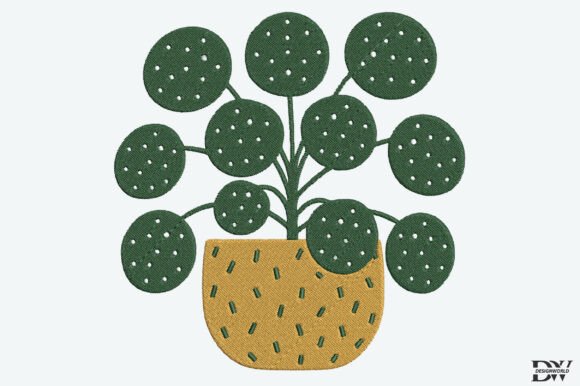
The initial appeal of this design lies in its balanced composition. In the crowded category of Single Flowers and greenery, it is easy to find patterns that are either too sparse or excessively dense. This Plant in a Pot Embroidery Design strikes a sophisticated middle ground. The clean lines of the pot provide a necessary geometric anchor, while the foliage offers organic movement. For a maker or Etsy seller, this visual balance is crucial because it photographs well in printable mockups and translates clearly to physical merchandise.
The mood is distinctly fresh yet structured. Unlike wildflower designs that can sometimes appear messy if the registration is slightly off, the contained nature of a potted plant forgives minor tension variances. The elegant greenery details suggest a style that bridges the gap between modern minimalism and traditional cottagecore. This makes the embroidery file a safe but stylish choice for creators who need a versatile motif that appeals to a broad demographic without feeling generic.
Real-World Application: Stitching a Custom Tote Bag
To truly judge the utility of this design, I mentally applied it to one of the most common projects for small business owners: the custom canvas tote bag. Canvas is a forgiving fabric, but it has a distinct fabric texture that can swallow fine details. When planning a tote bag design using this potted plant, the placement is everything.
In a recent project preparation, I considered centering this design about four inches above the bottom seam. This positioning prevents the embroidery from getting lost in the fold when the bag is carried. Because the pot element likely utilizes a fill stitch or a textured satin column, it provides enough coverage to stand out against natural canvas without requiring excessive stabilizer layers that might make the bag stiff. For a craft business selling eco-friendly market bags, this design communicates sustainability and handmade quality effectively. It is large enough to be the focal point but leaves ample negative space for personalized text or a shop logo, which is essential for brand consistency.
Versatility Across Apparel and Home Goods
Beyond tote bags, this pattern shows strong potential for custom apparel and home decor. However, the application changes based on the substrate. For sweatshirt embroidery, the design works beautifully on the left chest or centered on the back yoke. Sweatshirts are thick and stable, allowing the stitch definition to remain crisp. Conversely, for baby embroidery on onesies or bibs, you must exercise caution. Baby garments are often knit fabrics with significant stretch. While the Plant in a Pot Embroidery Design is charming for nursery themes, you would need to use a cut-away stabilizer and potentially reduce the stitch density to prevent the fabric from puckering or becoming too rigid against delicate skin.
For home goods like tea towels or pillow covers, this design serves as excellent holiday embroidery or year-round kitchen decor. The potted theme implies growth and domestic comfort, making it ideal for housewarming gifts or wedding presents. If you are creating an embroidered patch, the defined outline of the pot makes it easier to digitize a merrowed edge or a satin border for finishing, compared to irregular floral shapes that can fray during cutting.
Critical Considerations for Fabric and Hoop Size
No digital embroidery file is universally perfect, and this design requires thoughtful placement. There are specific scenarios where I would advise against using this pattern without modification:
- Curved Surfaces: Avoid placing this design directly on the front panel of a structured cap. The vertical orientation of a pot does not conform well to the curvature of a hat brim, leading to distortion at the top and bottom edges.
- Sheer or Lightweight Fabrics: On voile or lightweight linen, the weight of the pot section may drag the fabric down. Unless you are doing an applique design variation to reduce stitch count, opt for lighter botanical sprays instead.
- Tiny Lettering Integration: If you plan to add names or dates below the pot, ensure the font size remains legible. The visual weight of the plant can overpower tiny text, making the personalized gift look unbalanced.
- Dark Fabrics: Always test thread colors on dark backgrounds first. Green thread on black fabric can disappear unless you use high-contrast variegated threads or add a light underlay to boost color vibrancy.
Always verify your hoop size compatibility before purchasing. A design that looks proportional in a 5x7 hoop may appear cramped in a 4x4 hoop or sparse in an 8x12 hoop. Scaling vector art is different from scaling embroidery; resizing beyond 10-15% often requires re-digitizing to maintain proper stitch angles and jump stitch management.
Professional Notes for Makers and Sellers
For those integrating this Plant in a Pot Embroidery Design into a commercial workflow, professional due diligence is non-negotiable. Before listing any small shop product or accepting a custom order, run a physical test stitch-out. Do not rely solely on software simulations. Check the back of the sample for excessive jump stitches or bobbin thread show-through, as these issues affect the perceived value of a handmade product.
If you are selling digital assets or finished items, confirm the licensing terms associated with the commercial embroidery usage. Some designers allow unlimited sales of physical products but prohibit sharing the file itself. Understanding these boundaries protects your business reputation. Additionally, when photographing your samples for listings, ensure the lighting captures the texture of the stitches. Flat, overexposed photos fail to convey the dimensionality of the satin and fill stitches that give this design its character.
Finally, consider the washability of your chosen thread and stabilizer combination. A beautiful embroidered apron or baby blanket loses its appeal if the design warps after the first laundry cycle. Using high-quality polyester or rayon threads and appropriate wash-away or permanent stabilizers ensures that the customer’s experience matches the quality promised in your product description. By treating this Plant in a Pot Embroidery Design as a professional component rather than just a decorative clip-art element, you elevate the standard of your entire collection and build lasting trust with your clientele.