Asian Dragon Embroidery: A Craft Fair Seller’s Review
First Impressions: Bold Mythology for Modern Markets
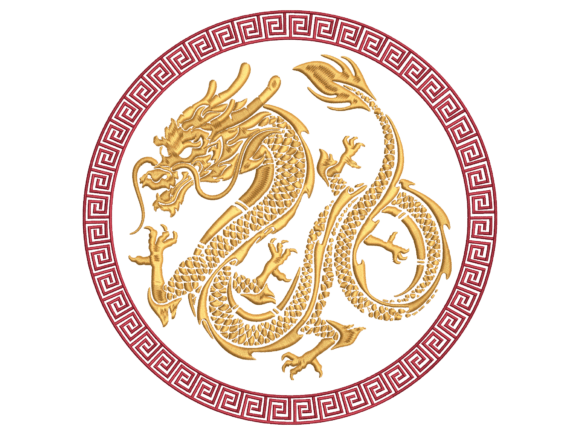
As an embroidery designer preparing for a weekend craft fair, my first step is always evaluating the visual impact of a new machine embroidery design from a distance. When reviewing the Asian Dragon Embroidery file, the immediate impression is one of dynamic elegance and cultural richness. Unlike generic cartoon dragons often found in children's categories, this design leans into the sophisticated aesthetics of traditional folklore within the Fairy Tales genre. It feels premium and decorative rather than juvenile, which significantly broadens its appeal to adult buyers at handmade markets.
The silhouette suggests flowing lines and intricate scales, characteristics that translate beautifully into thread. For a booth display, this design commands attention without being garish. It strikes a balance between festive tradition and modern artistry, making it suitable for customers seeking unique handmade product items that carry a sense of heritage. As a digital download delivered in ZIP or RAR format, the instant accessibility allows for rapid prototyping before the market opens, ensuring I can validate its stitch-out quality well in advance.
Best-Selling Applications for Market Booths
Determining where the Asian Dragon Embroidery performs best requires matching the design’s complexity with the right substrate. Based on current market trends and booth sales data, here is how this design translates across popular vendor categories:
- Tote Bag Design: This is arguably the strongest application. Canvas totes provide a stable, flat surface ideal for detailed dragon motifs. The design serves as a central focal point that elevates a simple bag into a statement accessory. Customers at craft fairs often look for reusable bags that reflect personal style, and this mythological theme stands out against plain utility totes.
- Tea Towel Embroidery: Linen and cotton tea towels are staple sellers. The Asian Dragon motif adds a touch of luxury to kitchen textiles. However, because tea towels are functional, the design must be placed strategically to avoid high-wear areas while remaining visible when hung. This application works exceptionally well for holiday markets or cultural celebrations.
- Apron Embroidery: For culinary enthusiasts, an embroidered apron featuring this dragon creates a narrative connection to Asian cuisine or tea culture. The vertical orientation of many dragon designs fits perfectly on apron bibs or lower pockets, offering a unique alternative to standard monograms.
- Embroidered Patch: If the design includes clean border stitching, converting it into a patch expands inventory options. Patches allow customers to customize their own denim jackets or backpacks at a lower price point than finished goods, increasing impulse buys at the booth.
- Fabric Pouches and Pillow Covers: Smaller home goods benefit from the design’s artistic nature. On velvet or silk pouches, the texture of the embroidery enhances the tactile experience, justifying a higher price point for boutique makers.
Production Practicality and Batch Efficiency
A beautiful embroidery file is only valuable if it is production-friendly. When assessing Asian Dragon Embroidery for batch manufacturing, I look for repeatability and clarity. This design appears to have distinct color blocks, which facilitates efficient thread changes during mass production. For an Etsy seller or small shop owner, minimizing machine downtime is crucial for profitability.
Photographing this design for online listings requires careful lighting to capture the sheen of the rayon or polyester threads against the fabric. The intricate details typical of dragon scales create natural shadows and highlights that photograph well, reducing the need for heavy editing. Creating a printable mockup alongside real photos helps customers visualize the scale, especially since digital products cannot be returned. Because this is a digital asset with no physical shipment, your listing photography must do the heavy lifting of conveying texture and quality.
From a commercial embroidery perspective, the design’s versatility allows for cross-category merchandising. Using the same dragon motif on both high-margin tote bags and lower-cost patches creates brand consistency across your booth display. This repetition reinforces recognition and encourages customers to buy multiple items featuring the same beloved artwork.
Critical Technical Considerations for Stitch-Out Success
While the Asian Dragon Embroidery offers immense creative potential, specific technical factors demand attention before committing to bulk production. Mythological designs often contain gradients and fine details that can be problematic if not managed correctly.
- Stitch Density and Fabric Texture: Dragon scales often require dense satin or fill stitches. On textured fabrics like terry cloth or waffle weave tea towels, these details can get lost or cause puckering. Always use appropriate stabilizer; a cut-away backing is generally safer than tear-away for dense designs to prevent distortion.
- Small Lettering and Tiny Details: If the design includes accompanying text or minute facial features, test the minimum viable size. Reducing a complex dragon too much results in muddy stitches and needle breaks. Verify the recommended hoop size in the file description before purchasing, as resizing down may compromise integrity.
- Curved Surfaces: Applying this design to caps requires specialized hooping and potentially a modified version of the file. Standard flat embroidery files often distort on curved brims. Unless the designer specifies cap compatibility, stick to flat surfaces for this particular motif.
- Thread Colors and Contrast: Traditional Asian dragons utilize gold, red, jade, and black. Ensure your thread palette has sufficient contrast against your chosen fabric. A dark dragon on navy fabric will disappear in dim craft fair lighting. Test high-contrast combinations to ensure the design pops visually.
Designer Notes: Prototyping Before Selling
Since this is a digital product with no returns or refunds, due diligence is entirely on the maker. Before listing any finished product derived from Asian Dragon Embroidery, execute the following validation steps:
- Test on Scrap Fabric: Never run a new design directly on saleable inventory. Stitch out on similar weight scrap material to check tension, registration, and overall feel.
- Verify Licensing: Confirm the commercial usage rights included with the download. Some designers restrict the number of physical items you can sell or prohibit digitizing services. Clarify this before investing in marketing materials.
- Create Physical Samples: Digital mockups are useful, but nothing replaces a physical sample for judging drape and hand-feel. A stiff, over-stabilized tote bag will not sell as well as one with soft, flexible embroidery.
- Check File Formats: Ensure your machine reads the specific format provided in the ZIP or RAR archive. While most machines are versatile, confirming compatibility prevents last-minute panic before a market.
- Evaluate Market Fit: Bring your test stitch-out to a local meetup or ask peer feedback. Does the dragon read clearly from three feet away? Is the style aligned with your existing booth aesthetic?
Ultimately, Asian Dragon Embroidery represents a strong opportunity for creative entrepreneurs looking to diversify their offerings beyond standard florals and monograms. Its roots in Fairy Tales provide a storytelling element that resonates with buyers seeking meaningful, culturally appreciative handmade goods. By respecting the technical requirements of the digital embroidery file and strategically applying it to high-value substrates, this design can become a profitable anchor in your craft fair lineup. Remember, success lies not just in the beauty of the digitizing, but in the intentionality of your production and presentation.