Autumn Hot Cocoa Embroidery: A Craft Fair Review
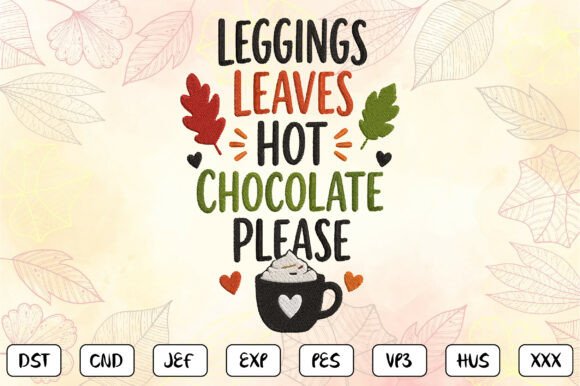
As an experienced embroidery designer preparing for the upcoming weekend craft fair season, I approach every new machine embroidery design with a critical eye. It is not enough for a file to look pretty on a computer screen; it must translate into a tangible, sellable item that catches the attention of shoppers walking past a crowded booth. When reviewing the "Leggings Leaves Hot Chocolate Please" concept for my Autumn Hot Cocoa Embroidery collection, I am looking for that perfect intersection of cozy aesthetic and commercial viability. This specific design, featuring stylish autumn typography and seasonal motifs, immediately strikes me as a high-potential candidate for handmade market products, but its success depends entirely on strategic application.
First Impressions and Booth Appeal
The first impression of this Autumn Hot Cocoa Embroidery design is undeniably warm and inviting. It balances modern farmhouse charm with a touch of playful lifestyle humor. For an Etsy seller or boutique maker, this is crucial. Shoppers at fall markets are actively seeking items that evoke comfort. The phrase "Leggings Leaves Hot Chocolate Please" taps directly into the current cultural zeitgeist of autumn self-care. Visually, the typography appears to be the anchor here. In my professional assessment, designs that rely heavily on text must have excellent legibility from a distance of three to five feet. If customers cannot read the sentiment while browsing your table, they will keep walking. This design seems to offer bold, readable lettering paired with decorative leaf elements, making it an ideal focal point for booth displays.
From a color theory perspective, this design demands a palette that screams autumn without looking muddy. As I review the thread colors, I am envisioning rich rusts, deep forest greens, warm creams, and chocolate browns. These shades photograph beautifully for online listings and pop against neutral backgrounds in person. The mood is soft yet confident, positioning it as a premium handmade product rather than generic seasonal decor.
Best Product Applications for Market Sales
Not every embroidery file works on every substrate. Based on the composition of Autumn Hot Cocoa Embroidery, I have identified specific products where this design will yield the highest return on investment for craft fair vendors.
- Tote Bag Design: This is arguably the strongest application. Canvas totes provide a stable, flat surface that accommodates the likely rectangular or stacked layout of the typography. A cream or natural canvas tote with this design in dark brown thread creates a high-contrast, photogenic item that serves as a walking advertisement for your brand at the market.
- Tea Towel Embroidery: Flour sack towels or linen tea towels are staple sellers in the autumn category. The design’s cozy message pairs perfectly with kitchenware. However, because towels have texture, you must ensure the stitch density is sufficient to prevent the fabric weave from showing through the letters.
- Apron Embroidery: For bakers and home cooks, this sentiment is relatable. Placing the design on the chest area of a denim or twill apron creates an instant connection. Denim provides excellent stability, though you may need a heavier needle and robust stabilizer to prevent puckering.
- Fabric Pouches and Wristlets: Smaller versions of this design work wonderfully on zipper pouches. These are excellent "add-on" sales items at craft fairs. They utilize less material and hoop time, allowing for higher profit margins.
While caps are popular, I would exercise caution using this specific typography-heavy design on curved surfaces unless you have verified the digitizing includes proper compensation for the curve. Flat brim hats or structured trucker caps might be safer bets than unstructured dad hats for maintaining text clarity.
Production Practicality and Batch Efficiency
For a small shop product line, efficiency is key. When evaluating Autumn Hot Cocoa Embroidery for batch production, I consider the run time versus perceived value. Text-based designs generally stitch out faster than complex fill-stitch illustrations, which is a major advantage when prepping inventory for a weekend show. This allows you to produce more units in less time without sacrificing quality.
Photographing this design for digital sales or social media marketing is straightforward. Because the design relies on clear typography and recognizable iconography, it reads well in thumbnails. For printable mockups or Etsy listing photos, ensure you capture the texture of the stitches. Buyers want to see the dimensionality of the embroidery, not just a flat digital rendering. Showcasing the design on a real finished product builds trust and demonstrates how the digital embroidery file translates to physical goods.
Critical Technical Considerations
Even the most beautiful design assets can fail if technical constraints are ignored. Before committing to a full production run of Autumn Hot Cocoa Embroidery, consider these practical warnings:
- Small Lettering Clarity: If you plan to resize this design down for patches or small pouches, verify that the smallest text remains legible. Serif fonts or thin script can turn into a tangled mess below certain sizes. Always test the minimum viable size before mass production.
- Fabric Texture Interaction: On textured towels or waffle-weave fabrics, the fine details of leaves or script tails may get lost. You may need to add a topping stabilizer or increase the underlay stitches to create a smooth foundation for the top threads.
- Hoop Size Verification: Confirm the dimensions of the embroidery file against your available hoops. Nothing halts production faster than realizing a design requires a 5x7 hoop when you only have 4x4 capabilities. Check the specs provided with the Autumn Hot Cocoa Embroidery file before purchasing or stitching.
- Dense Stitch Areas: Typography often involves satin stitches. If the letters are very tall or wide, check for excessive density that could cause needle breaks or fabric distortion. Proper stabilization is non-negotiable here.
Designer Notes for Commercial Success
To maximize the selling potential of this commercial embroidery project, treat your preparation phase as seriously as the stitching itself. Always perform a test stitch-out on scrap fabric that matches your final product weight. Do not assume the digitizer accounted for the specific stretch of your jersey knits or the rigidity of your canvas. Check thread contrast under both natural daylight and artificial booth lighting; colors shift dramatically between environments.
Furthermore, review the licensing terms associated with this machine embroidery design. Ensure you have the right to sell finished products derived from this file, especially if you are operating a business entity. Respecting intellectual property protects your shop and supports fellow designers.
Finally, create at least one physical sample specifically for display purposes. While you might sell everything you make, having a pristine sample of the Autumn Hot Cocoa Embroidery on a high-quality tote or apron allows customers to touch the stitches and appreciate the craftsmanship. This tactile engagement is what separates successful craft fair vendors from those who struggle. By combining this adorable, trend-aware design with rigorous production standards and strategic product placement, you transform a simple embroidery file into a best-selling autumn staple that celebrates the season while growing your handmade business.