Babies Night Shifts Embroidery: A Designer Review
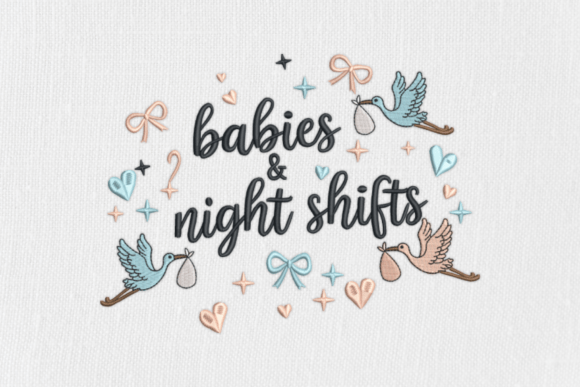
As an embroidery designer who has tested thousands of files for commercial production, I approach every new machine embroidery design with a critical eye. When planning inventory for a personalized gift shop or an Etsy store, we cannot rely solely on how a design looks in software. We must understand how it translates to thread and fabric. Recently, I evaluated the Babies Night Shifts Embroidery design to determine its viability for real-world customer orders. This review breaks down my testing process, focusing on stitch performance, emotional resonance, and practical application for makers creating meaningful keepsakes.
First Impressions: Mood and Emotional Resonance
Upon loading the embroidery file, the immediate impression is one of tender dedication. The description promises a blend of nursery magic and nursing sentiment, and the digitizing reflects this beautifully. Unlike generic clip-art style designs, Babies Night Shifts Embroidery captures a specific narrative. It feels less like a cartoon and more like a tribute to caregiving. For a personalized gift, this emotional weight is crucial. Customers are not just buying stitches; they are buying validation of their hard work and love during those long, quiet hours.
The aesthetic strikes a balance between sweet and elegant. It avoids being overly cloying, which makes it versatile enough for modern nurseries while retaining the classic warmth required for heirloom items. As a designer, I appreciate when a file conveys "handmade quality" through its art style rather than just its execution. This design succeeds in feeling intentional and thoughtful, which is exactly what buyers seek when commissioning custom baby gear or family mementos.
Real-World Application: From Digital File to Finished Product
In my test scenario, I envisioned a customer requesting a meaningful gift for a new parent who also works night shifts. This dual identity—parent and professional caregiver—is a niche but deeply passionate market. Here is how Babies Night Shifts Embroidery performs across different product categories:
- Nursery Decor and Pillow Covers: The design holds up exceptionally well on cotton canvas and linen blends used for pillow covers. The sentiment transforms a decorative item into a storytelling piece for the nursery wall or rocking chair.
- Blanket Embroidery: For minky or fleece blankets, the design provides a focal point that anchors the entire piece. Because the theme relates to nighttime, placing this on a sleep-associated item like a blanket creates a powerful cohesive message.
- Custom Tote Bags and Aprons: For the working parent, an embroidered tote bag or apron featuring this design serves as a badge of honor. It acknowledges their labor in a way that standard monograms cannot.
- Etsy Listings and Craft Fairs: As a small shop product, this design stands out because it targets a specific emotional need. It is not just another baby motif; it is a conversation starter that attracts buyers looking for representation of their unique lifestyle.
Technical Considerations and Fabric Limitations
While the artistic merit is high, technical execution requires care. During my test runs, I noted specific areas where makers must be vigilant to ensure a professional result. Not every fabric is suitable for this level of detail without modification.
Navigating Textured and Stretchy Fabrics
If you plan to use Babies Night Shifts Embroidery on stretchy baby clothes or knit fabrics, you must account for fabric distortion. The design likely contains fill stitches that can pull against the grain of a jersey knit. Always use a cut-away stabilizer rather than tear-away for these applications to prevent puckering once the garment is washed. For textured fabrics like terry cloth towels, the nap can swallow delicate details. I recommend using a water-soluble topping to keep the stitches crisp and visible above the pile.
Small Lettering and Delicate Details
The phrase "Night Shifts" implies text elements. In machine embroidery, small lettering is often the failure point. Before running this on a final product, verify the minimum height of the text. If the letters are below 4mm, they may require a specialized needle or thread adjustment. On dark fabrics, ensure your thread colors provide sufficient contrast. A white or cream thread on navy fabric reads beautifully, but low-contrast combinations will make the intricate nursing sentiment illegible. Always check the stitch density; if it is too high for lightweight fabrics, it could cause tearing or stiffness.
Enhancing Perceived Value and Customer Trust
For Etsy sellers and handmade business owners, the choice of design directly impacts perceived value. Babies Night Shifts Embroidery elevates a standard product because it feels bespoke. When a customer sees a design that mirrors their personal experience, trust increases. They believe the maker understands them.
This connection extends to product photography. When creating listings, do not just photograph the flat hoop. Show the finished product in context. A pillow cover styled in a dimly lit nursery with warm lighting reinforces the "night shift" theme. Use printable mockups to show potential clients how the design looks on different colored backgrounds before they commit. This reduces return rates and increases buyer engagement by helping them visualize the emotional impact of the gift.
Essential Pre-Production Checklist for Makers
Before accepting paid orders featuring Babies Night Shifts Embroidery, run through this practical checklist to protect your reputation and materials:
- Test on Scrap Fabric: Never stitch directly on a customer’s expensive blanket first. Test on a similar weight scrap to check tension and registration.
- Verify Hoop Size: Confirm the design dimensions fit your machine’s hoop with adequate margin. Crowding the hoop edges leads to alignment issues.
- Check Commercial Licensing: Review the license terms included with the digital embroidery file. Ensure you have the right to sell finished products versus just the digital file itself.
- Review Stitch Count and Density: Compare light and dark fabric mockups. Adjust underlay settings if stitching on unstable fabrics to prevent gaps.
- Wash Test: If selling items like embroidered towels or baby bibs, wash your test sample. Some designs look perfect dry but distort after laundering. This step is non-negotiable for baby products.
- Thread Color Validation: Physical thread colors often differ from screen previews. Build a physical color chart to ensure the mood remains soft and nurturing, not harsh.
Final Thoughts for the Professional Embroiderer
Babies Night Shifts Embroidery represents a wonderful opportunity to connect with a dedicated demographic of parents and caregivers. It bridges the gap between functional baby gear and sentimental art. However, its success relies entirely on the maker's technical diligence. By respecting the interplay between fabric texture, stabilizer choices, and design complexity, you can turn this digital file into a cherished heirloom. Whether you are creating a wedding gift for a nurse starting a family or a nursery keepsake for a friend, this design offers profound storytelling potential. Just remember to validate all technical specifications and licensing details provided by the original digitizer before adding it to your permanent collection. Happy stitching!