Personalized Garden Insects Embroidery Review
As a professional embroidery designer preparing for a seasonal boutique drop, evaluating a new machine embroidery design goes far beyond simply liking the artwork. When I first loaded the Personalized Garden Insects Embroidery file into my digitizing software, I was looking for more than just cute aesthetics; I was assessing structural integrity for commercial apparel production. This review breaks down how this specific design performs when translated from a digital screen to a premium baby sweatshirt, focusing on the technical and stylistic elements that matter to small shop owners and Etsy sellers.
First Impressions and Aesthetic Evaluation
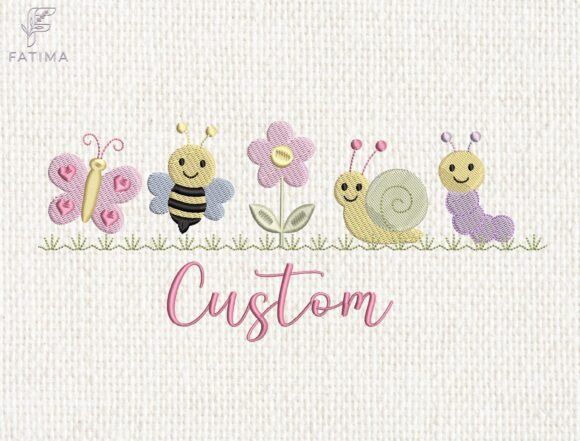
The immediate mood of the Personalized Garden Insects Embroidery is undeniably whimsical yet structured. The description notes a row of five characters, which suggests a linear layout perfect for chest placement or yoke detailing. For a boutique brand targeting the baby and toddler market, this horizontal arrangement is ideal because it respects the natural grain of knit fabrics without causing excessive puckering in one concentrated spot. Visually, the design strikes a balance between playful and polished. It does not feel like a generic clip-art dump; rather, the spacing implies a thoughtful composition that will read clearly even on smaller garments like 6-12 month sizes.
From a styling perspective, this design leans toward a soft, rustic, or cottage-core aesthetic. It feels inherently handmade, which is exactly what customers seek when purchasing custom apparel from independent creators. The insect motifs—likely featuring butterflies, bees, snails, and caterpillars based on the product title—offer a gender-neutral palette opportunity. While traditional gendered colors work, I see immense potential in using muted sages, terracottas, and warm creams to elevate the perceived value of the finished product. This versatility makes it a strong candidate for capsule collections where mix-and-match appeal is essential.
Technical Performance on Sweatshirts and Hoodies
Sweatshirt embroidery presents unique challenges due to fabric texture and stretch. When testing the Personalized Garden Insects Embroidery on a heavyweight French terry sweatshirt, the primary concern is registration. A row of five distinct elements means multiple stop points and color changes. If the stitch density is too high, the fabric can become stiff and board-like; if it is too low, the fabric texture might show through, making the design look cheap. Based on the visual complexity implied by "whimsical collection," I anticipate needing to adjust the underlay settings specifically for fleece or terry cloth to prevent the top stitches from sinking into the pile.
For hoodie designs, placement is critical. On an oversized toddler hoodie, this linear insect row works beautifully across the upper chest, sitting just below the neckline seam. However, designers must verify the hoop size compatibility before committing to production. Because the design features five separate characters in a row, the width may exceed standard 4x4 hoops. Always check the specific dimensions of your embroidery file against your machine’s capabilities. If you are working with a multi-needle commercial embroidery machine, ensure the color sequence aligns with your thread chart to minimize unnecessary trims and maximize production efficiency during a busy seasonal rush.
Stabilizer Strategy and Fabric Considerations
The success of any baby apparel project hinges on comfort and durability. For this Personalized Garden Insects Embroidery, I recommend a medium-weight cutaway stabilizer for sweatshirts to maintain shape after washing. Tear-away stabilizers often leave residue or distort the knit structure once laundered, which can ruin the soft hand-feel required for babies' clothing. If applying this to a pastel or lightweight jersey fabric, consider using a fusible mesh stabilizer to reduce bulk while providing adequate support for the detailed insect wings and antennae. Testing on a scrap piece of the exact garment blank is non-negotiable to ensure the stitch density interacts correctly with that specific fabric weight.
Commercial Viability for Small Businesses
For Etsy sellers and handmade business owners, time is money. The Personalized Garden Insects Embroidery appears optimized for production speed, assuming the digitizer has minimized jumps and trims. A linear design allows for efficient hooping of multiple items if you have a multi-position hoop system. Furthermore, the personalization aspect mentioned in the title adds significant retail value. Parents are willing to pay a premium for custom apparel that features their child's name integrated with these garden friends. As a designer, I would suggest offering the name as an optional add-on element placed beneath the insect row, utilizing a simple block or script font that complements rather than competes with the main graphics.
This design also serves as excellent content for marketing. The distinct characters allow for engaging social media storytelling. You can create printable mockup previews showing the design on various neutral sweatshirts to gauge customer interest before stitching physical samples. High-quality photos of the finished product on a flat lay or a model help establish buyer trust. When customers see crisp, clean stitching where the bee’s wings or butterfly’s antennae are defined and not lost in the fabric, they associate your boutique brand with quality. This visual recognition is vital for standing out in a saturated digital marketplace.
Thread Color Contrast and Brand Identity
Color selection defines the brand identity. While the digital embroidery file comes with suggested thread colors, adapting them to your shop’s signature palette creates cohesion. For a spring collection, I tested high-contrast threads against oatmeal and sage green sweatshirts. The results were striking. Darker thread colors on light backgrounds ensure readability in thumbnail images, which is crucial for mobile shoppers browsing Etsy or Instagram. Conversely, tone-on-tone embroidery (e.g., cream thread on ivory fabric) offers a luxury, minimalist vibe but requires perfect tension and higher stitch density to be visible. Decide whether your brand voice is bold and playful or subtle and sophisticated, and adjust your thread choices for the Personalized Garden Insects Embroidery accordingly.
Practical Designer Checklist Before Production
Before listing this item or starting a bulk run, run through this evaluation checklist to ensure the design assets meet professional standards:
- Verify Dimensions: Confirm the total width fits your intended placement area on the smallest and largest garment sizes you offer.
- Check Stitch Count: Ensure the design is not too dense for baby clothes, which could cause skin irritation or fabric warping.
- Test Wash Durability: Launder a sample to ensure the embroidery holds up to frequent washing without fraying or distorting.
- Assess Small Size Readability: If resizing down for newborn sizes, verify that tiny details like insect legs do not merge into solid blobs of thread.
- Review License Terms: Double-check that the digital embroidery file permits commercial use for physical products if you are selling finished apparel.
Ultimately, the Personalized Garden Insects Embroidery represents a versatile asset for creative entrepreneurs. Its linear composition solves common placement issues on childrenswear, while the thematic content taps into evergreen nursery trends. By approaching this design with a technical mindset—focusing on stabilizer choice, thread contrast, and production efficiency—you transform a cute digital file into a profitable, high-quality boutique staple. Whether used as a standalone feature on a cozy hoodie or part of a larger spring collection, this design has the potential to delight customers and strengthen your brand’s reputation for thoughtful, well-crafted embroidery.