Geometric Embroidery Border Design Review
As I prepare my inventory for the upcoming weekend craft fair, I am constantly evaluating which digital assets will translate best into physical sales. My booth needs to strike a balance between modern aesthetics and practical utility, appealing to shoppers who appreciate clean lines and professional finishing. After reviewing the Geometric Embroidery Border Design, I see significant potential for this pattern to anchor my new collection of structured handmade goods. This is not merely a decorative add-on; it is a foundational element that can elevate simple blanks into premium retail items.
First Impressions: Modern Precision and Retail Appeal
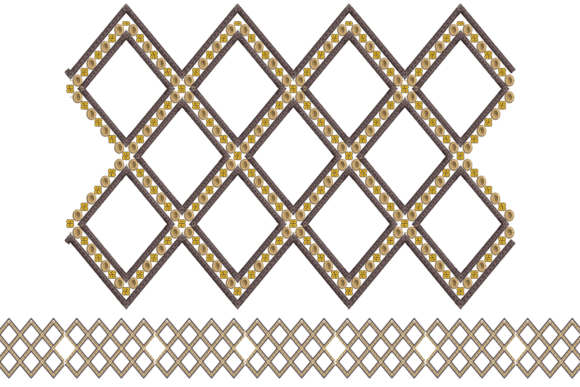
My immediate reaction to this machine embroidery design is one of architectural clarity. Unlike organic florals or whimsical scripts that dominate many Etsy seller shops, this geometric border offers a sharp, contemporary alternative. The description highlights clean lines and structured patterns, and visually, it delivers exactly that. It feels intentional and balanced rather than cluttered. For a craft fair product, this is crucial because customers often make split-second decisions based on visual impact from several feet away.
The elegance mentioned in the product details translates to a high perceived value. When I look at this design, I do not see a rustic farmhouse vibe or a festive holiday motif. Instead, I see a versatile, gender-neutral aesthetic that fits perfectly in a modern boutique setting. The balanced shapes suggest a level of technical proficiency that reassures buyers they are purchasing a quality handmade product rather than a mass-produced import. This specific mood makes it an excellent candidate for higher price points, as the geometry implies precision and luxury.
Strategic Product Placement for Market Success
Determining where to apply this embroidery file is just as important as the stitching itself. Based on the linear nature of the design, I have identified several key applications that maximize both visibility and production efficiency for my booth display.
- Tote Bag Design: This is my primary application. Running this border along the top hem or across the center panel of a canvas tote creates an instant focal point. The structure of the geometric pattern complements the sturdy fabric texture of market bags, making the finished product look cohesive and durable.
- Tea Towel Embroidery: Kitchen textiles are staple sellers. Placing this border along the bottom third of a flour sack towel adds sophistication without overwhelming the functional space. It transforms a basic utility item into a stylish kitchen accessory that appeals to modern homeowners.
- Apron Embroidery: For aprons, I envision this border running horizontally across the chest bib or vertically along the pocket edges. The clean lines resist getting lost in the folds of worn fabric, ensuring the design remains visible even when the apron is in use.
- Pillow Covers and Pouches: Small shop products like zipper pouches benefit immensely from borders. Using this design as a framing element around a monogram or standalone as a minimalist feature allows for quick batch production. These smaller items serve as excellent entry-point purchases for customers browsing the table.
While caps are popular, I would approach curved surfaces with caution. Geometric lines require perfect alignment to look correct, and the distortion inherent in cap embroidery might compromise the sharpness of this specific pattern. Flat surfaces remain the safest bet for maintaining the intended elegant look.
Production Practicality and Booth Display Strength
From a commercial embroidery perspective, repeatability is king. This Geometric Embroidery Border Design appears highly suitable for batch production. Linear designs generally allow for easier hooping alignment compared to circular or irregular motifs. I can mark placement lines on multiple tote bags or towels and stitch them consecutively with minimal adjustment time between runs. This efficiency is vital when restocking for a busy market season.
Photography for online listings also favors this style. High-contrast geometric patterns photograph crisply, reducing the need for extensive editing. When creating a printable mockup for my Etsy listing or social media marketing, the predictable spacing of the border makes digital placement accurate and realistic. Customers can clearly visualize how the finished product will look, which reduces hesitation and returns. Furthermore, the design acts as a strong branding tool; using the same border across different product categories creates a recognizable signature style for my business.
Critical Technical Considerations for Quality Control
Despite its apparent simplicity, geometric embroidery requires rigorous attention to detail. Straight lines and sharp angles are unforgiving; any tension issue or registration error becomes immediately obvious. Before committing this design to a full production run, I must address several technical variables.
Stitch Density and Fabric Texture: I need to verify the stitch density against my chosen fabrics. If the border is too dense for a lightweight tea towel, it may cause puckering or fabric distortion. Conversely, if stitched on a thick terry cloth towel without adequate underlay, the clean lines could sink into the pile and lose definition. Testing on scrap fabric is non-negotiable here.
Stabilizer Selection: The right stabilizer is the backbone of geometric success. For woven fabrics like canvas totes, a medium-weight cutaway or tear-away may suffice, but for stretchy or textured materials, I will likely need a combination of backing and topping to keep those sharp edges crisp. A water-soluble topping is essential for textured towels to prevent stitches from disappearing into the weave.
Thread Colors and Contrast: Geometric designs rely heavily on contrast to define their shape. Tone-on-tone stitching can look muddy in person unless the texture difference is extreme. I plan to test high-contrast thread colors first to ensure the pattern reads clearly from a distance at the craft fair. Dark fabric with light thread or vice versa usually yields the most striking results for this style.
Hoop Size and Alignment: Borders often push the limits of standard hoop sizes. I must confirm the exact dimensions of the embroidery file before purchasing or stitching. If the design is continuous, I need to plan my re-hooping strategy carefully to ensure seamless joins. Misaligned segments in a geometric border ruin the professional finish instantly.
Final Verdict for Creative Entrepreneurs
The Geometric Embroidery Border Design represents a smart investment for makers focusing on modern, structured goods. Its strength lies in its versatility and its ability to convey a premium, handcrafted quality through precision. For creative entrepreneurs and boutique makers, this design asset offers a pathway to create cohesive collections that stand out in a crowded marketplace.
However, success depends entirely on execution. I strongly advise checking all technical specifications, including licensing terms for commercial embroidery, before listing any finished products. Create at least one real sample on your intended sellable blank to evaluate drape, feel, and visual weight. Compare fabric colors under natural lighting to mimic craft fair conditions. By treating this digital file with the same respect as raw materials, you transform a simple border into a signature element of your brand. When executed correctly, this design does not just decorate a product; it defines the standard of quality your customers will come to expect and trust.