Ottoman Swirl Border: A Designer’s Stitch Test
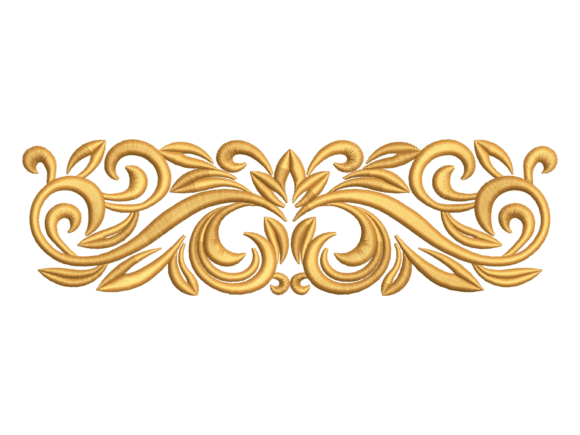
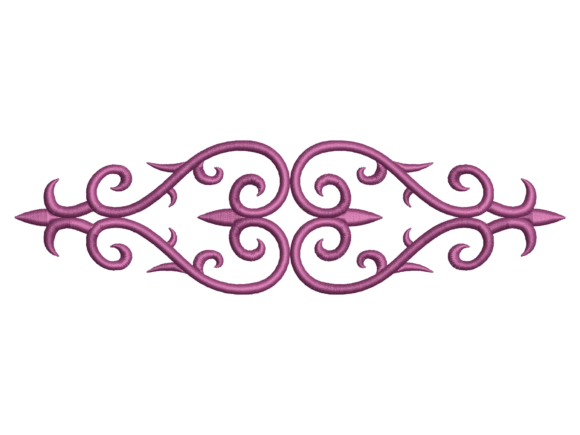
When I first opened the digital embroidery file for the Ottoman Swirl Border, I wasn't just looking at lines on a screen; I was mentally mapping out how those curves would translate into thread tension and fabric drape. As an experienced designer who reviews machine embroidery design assets for both personal craft businesses and commercial production, my initial impression is that this pattern carries a distinct historical weight without feeling costumey. The motif suggests intricate tile work and textile heritage, yet the digitizing appears streamlined enough for modern applications. It strikes a balance between ornate tradition and clean, contemporary stitch paths, making it a versatile candidate for everything from high-end boutique merchandise to personalized gifts.
First Impressions and Visual Personality
The visual personality of this border is undeniably elegant. Unlike generic floral vines or geometric repeats, the Ottoman Swirl Border possesses a rhythmic complexity that signals intentionality. When evaluating borders, I often look for "flow"—does the eye travel smoothly across the design, or does it get stuck in dense clusters? This design seems to prioritize movement. The swirls likely utilize a combination of satin stitch for definition and running stitch for delicate detailing, creating a texture that mimics hand-embroidery rather than stiff, industrial filling.
For an Etsy seller or handmade shop owner, this specific aesthetic creates immediate perceived value. It doesn't look like a stock clip-art dump; it looks like a curated design element. This matters because customers associate intricate, well-digitized borders with higher quality finished products. Whether you are branding a new line of tea towels or adding a premium touch to custom apparel, the mood here is sophisticated warmth. It feels appropriate for heritage brands, boho-chic aesthetics, and artisanal home goods.
Real-World Application: The Linen Tote Bag Test
To truly evaluate this embroidery file, I have to move beyond the software preview and imagine a real-life scenario. Let’s consider a project I frequently consult on: a heavyweight linen tote bag intended for a small shop product launch. Linen is a textured fabric that can be unforgiving with overly dense designs, but it loves character.
In this context, I would position the Ottoman Swirl Border along the top hem or as a horizontal band across the lower third of the bag. The goal is to create a framed space for potential monogramming or brand logos above or below the border. Because tote bags endure significant wear, the stitch density becomes a critical factor. If the swirls are too densely packed with fill stitch, the linen will pucker and the bag will lose its natural drape. However, if the digitizer has used open, airy stitching techniques common in traditional Ottoman textiles, the design will integrate beautifully with the fabric texture rather than sitting on top of it like a plastic shield.
For this specific project, I would anticipate using a medium-weight cutaway stabilizer to support the swirls without adding unnecessary bulk. The result should be a tote bag that feels artisanal and durable, exactly what a customer expects when buying a premium handmade product. This practical application highlights why reviewing the actual stitch path is vital before committing to a production run.
Best Use Cases for Commercial and Creative Projects
Beyond tote bags, this machine embroidery design shows strong potential across several categories. Based on the visual structure of Ottoman motifs, here is where I see the highest return on investment for makers:
- Pillow Covers and Home Decor: The continuous nature of a border makes it ideal for framing square or rectangular pillows. It adds a focal point without overwhelming the center, allowing the fabric color to breathe.
- Kitchen Textiles: Tea towels and aprons benefit immensely from this style. The cultural association with domestic arts and craftsmanship aligns perfectly with kitchenware. Just ensure the thread colors are colorfast for frequent washing.
- Baby Embroidery and Nursery Items: While "Ottoman" sounds heavy, the swirl elements can be softened with pastel thread colors for blanket edges or crib sheets. The lack of sharp corners in a swirl design is also a safety plus for baby items.
- Sweatshirt Embroidery: Placing this border along the cuff or yoke of a crewneck sweatshirt elevates basic blank apparel into boutique-ready custom apparel. The contrast between casual knitwear and formal historical stitching is currently very trendy.
- Holiday Embroidery: Deep reds, golds, and greens render this design instantly festive for stockings or table runners, leveraging the rich history associated with the motif.
Technical Caution Zones and Fabric Considerations
As much as I appreciate the aesthetic, I must advise caution regarding where not to use this design blindly. Borders are deceptively tricky because they span a larger linear area than centered designs. Here are the technical constraints I would flag for any embroidery project involving this file:
Stretchy and Thin Fabrics: If you plan to use this on lightweight jersey or performance knits, proceed with extreme care. Long horizontal runs of satin stitch or running stitch can cause tunneling. You will need a high-quality fusible stabilizer and potentially a topping to prevent stitches from sinking into the knit loops. Always test on scrap fabric first.
Curved Surfaces: While the name implies a border, wrapping this around a cap or curved sleeve requires verification. Check if the embroidery file includes a curved version or if the straight version has enough flexibility to distort slightly without breaking registration. Straight borders rarely digitize well onto curved surfaces without modification.
Detailed Corners: If you intend to miter corners on a napkin or pillowcase, inspect the corner joinery in your software. Some digital embroidery files have seamless corner transitions, while others require manual alignment. Misaligned corners ruin the professional finish of a handmade product instantly.
Dark vs. Light Backgrounds: Ottoman designs often rely on tonal contrast. On dark fabric, ensure the underlay is sufficient to prevent the fabric grain from showing through lighter threads. Conversely, on white fabric, check that the design doesn't look sparse. Running black and white mockups or printing a template can save hours of re-hooping.
Elevating Brand Value Through Design Choice
Choosing the right border is about more than decoration; it is a branding decision. For creative entrepreneurs and digital product sellers, consistency builds trust. Using a cohesive design language like the Ottoman Swirl Border across multiple product lines creates a recognizable signature. When a customer sees that distinctive swirl pattern on your embroidered patch, tote bag design, and packaging, they recognize your brand immediately.
Furthermore, the complexity of this design serves as a proxy for quality. In a marketplace saturated with simple, single-run line art, a well-executed multi-stitch border demonstrates mastery of the craft. It tells the buyer that you understand stitch density, fabric interaction, and design hierarchy. This directly impacts buyer engagement and justifies higher price points for commercial embroidery services or finished goods.
Essential Pre-Stitch Checklist for Makers
Before you load this digital embroidery file into your machine for a client order or shop listing, run through this practical checklist. Remember, this is a digital product delivered in ZIP or RAR format, so you have full control over the preparation phase:
- Verify Hoop Size Compatibility: Borders often push the limits of standard hoops. Confirm the dimensions match your equipment before purchasing or stitching.
- Check Licensing Terms: Ensure the license permits your intended use, whether that is selling physical finished products or using the design in printable mockups for marketing.
- Inspect Stitch Density: Open the file in editing software. If the swirls exceed 0.4mm density on lightweight fabrics, consider reducing density or adding pull compensation.
- Thread Color Testing: Ottoman motifs can look drastically different in metallic versus matte rayon. Stitch out a color chart segment to verify the mood matches your vision.
- Stabilizer Match: Do not guess. Pair the stabilizer weight to the fabric texture and the design density. A tear-away might suffice for canvas, but a cutaway is safer for apparel.
- Mockup Validation: Create a realistic digital preview to show clients or list on Etsy. This manages expectations regarding size and placement before a single needle penetrates fabric.
The Ottoman Swirl Border Embroidery represents a beautiful intersection of history and modern maker culture. By approaching it with a critical, technical eye rather than just an aesthetic one, you transform a simple digital download into a cornerstone asset for your craft business. Whether you are stitching a personalized gift or launching a new collection, let the integrity of the stitches guide your success.