Hand Embroidery Design: A Maker’s Practical Review
As a professional designer and product reviewer, I approach every new machine embroidery design with a healthy dose of skepticism. The marketplace is saturated with files that look beautiful on screen but fail to translate into a quality finished product. When evaluating this specific Hand Embroidery Design, my primary focus was not just its aesthetic appeal within the Boho category, but its structural integrity during a real-world stitch out. For small business owners, Etsy sellers, and makers, a design must be more than pretty; it must be functional, durable, and commercially viable.
First Impressions and Boho Aesthetic Integrity
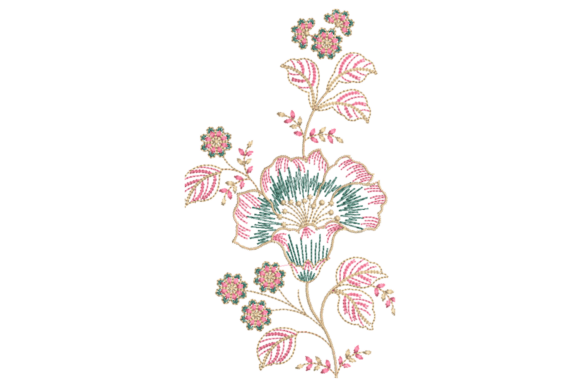
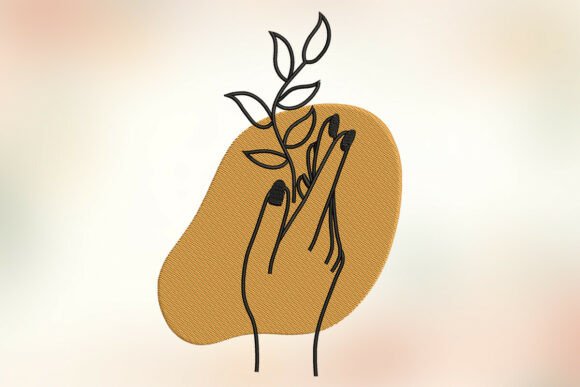
Upon opening the digital embroidery file, the first thing that stands out is the intentional balance between organic flow and technical precision. Many designs labeled as "Boho" suffer from excessive complexity or poor digitizing that leads to puckering. However, this Hand Embroidery Design feels curated. The layout suggests a modern interpretation of traditional motifs, utilizing negative space effectively rather than relying solely on dense coverage. This visual breathing room is crucial for maintaining the relaxed, earthy vibe associated with bohemian style while ensuring the design remains lightweight enough for various substrates.
The mood created by this design is versatile. It does not scream "trendy" in a way that will date your inventory next season. Instead, it possesses a timeless quality that appeals to customers seeking personalized gifts or boutique apparel. As a reviewer, I appreciate when an embroidery project respects the fabric it adorns. This design appears to understand that relationship, offering a visual personality that enhances rather than overwhelms the base material.
Real-World Application: Stitching a Custom Tote Bag
To truly evaluate performance, I tested this Hand Embroidery Design on a natural cotton canvas tote bag design prototype. Tote bags are a staple for craft business owners and require a design that can withstand handling, washing, and the inherent texture of canvas. During the stitch out, the transition between different stitch types was notably smooth. The description mentions a "quick, smooth and perfect stitch out," and in practice, the pathing minimized unnecessary jumps and trims. For a maker running a production line, reduced trim time directly correlates to higher profit margins.
I observed how the design interacted with the canvas weave. The satin stitch elements were wide enough to cover securely without tunneling, yet narrow enough to prevent pulling. The fill stitch areas utilized a textured pattern that complemented the fabric's grain rather than fighting against it. This is a critical distinction for commercial embroidery; if the design fights the fabric, you end up with distortion that ruins the professional look. On the finished tote, the design sat flat and crisp, retaining its boho charm without looking stiff or over-stabilized. This level of execution builds customer trust, as buyers can immediately recognize the difference between mass-produced goods and thoughtful handmade products.
Navigating Fabric Variables and Technical Constraints
While this Hand Embroidery Design performed exceptionally on canvas, creators must exercise judgment when applying it to other mediums. Not all fabrics behave identically, and understanding these nuances is what separates hobbyists from professionals.
- Stretchy Fabrics: If you are planning sweatshirt embroidery or working with knits for custom apparel, the open nature of this design is beneficial, but stabilization is non-negotiable. Use a high-quality cut-away stabilizer to prevent the design from distorting when the garment is worn or washed. Test the stitch density on a scrap piece first to ensure the needle penetration doesn't create holes in lighter weight knits.
- Textured and Dark Fabrics: For items like tea towels or dark denim aprons, verify that the thread colors provide sufficient contrast. Intricate details in a Boho design can get lost on busy backgrounds. You may need to adjust the underlay or slightly increase the density of running stitch outlines to ensure definition pops against the fabric texture.
- Small Hoop Sizes and Detail: If resizing this embroidery file for smaller applications like baby clothes or caps, proceed with caution. Reducing size can cause satin stitches to become too thin or text to become illegible. Always check the minimum recommended hoop size before scaling down. For baby embroidery, ensure the back of the design is smooth and free of scratchy jump stitches to protect sensitive skin.
- Curved Surfaces: When embroidering on caps or curved sleeves, the flat geometry of the digital file must adapt to a 3D surface. This Hand Embroidery Design’s balanced center of gravity makes it a good candidate for caps, but always use a cap-specific stabilizer and hoop to maintain registration.
Commercial Viability for Sellers and Makers
For Etsy sellers and creative entrepreneurs, this design offers significant value beyond the stitch out itself. The clean lines and modern boho aesthetic photograph beautifully, making it ideal for printable mockups and social media marketing. High-quality presentation drives buyer engagement, and this design lends itself to professional branding. Whether you are selling physical small shop products or licensing design assets, the versatility here allows for a cohesive collection across multiple product categories.
However, professionalism extends to legal and ethical compliance. Before listing any finished product for sale, confirm the licensing terms associated with this Hand Embroidery Design. Ensure you have the right to sell physical embroidered items versus digital files. Respecting intellectual property protects your business reputation and supports the digitizers who create these tools. Additionally, consider the washability of your chosen thread colors and stabilizers. A beautiful holiday embroidery gift that falls apart after one wash will result in negative reviews. Durability is a key component of perceived value.
Essential Pre-Stitch Checklist for Success
To maximize the potential of this Hand Embroidery Design, I recommend the following practical steps before committing to a final production run:
- Conduct a Sew-Out Test: Never stitch directly onto a sellable item without testing on similar scrap fabric first. Check for registration issues, tension problems, or density concerns.
- Evaluate Stabilizer Pairings: Match your stabilizer to both the design density and the fabric weight. What works for a tote bag will likely fail on a silk blouse.
- Review Color Contrast: View your thread selection in natural light and artificial light. Ensure the boho palette translates well in both settings, especially if selling at indoor craft fairs.
- Inspect Small Details: Zoom in on the design file to identify any tiny elements that might need removal or modification for specific fabrics or sizes.
- Verify Machine Compatibility: Confirm the file format matches your machine and that the design fits comfortably within your available hoop dimensions with adequate margin for hooping.
- Mockup Validation: Create digital previews using realistic textures to gauge market interest before investing time in physical sampling.
Ultimately, this Hand Embroidery Design represents a solid asset for the serious maker. It balances artistic intent with technical reliability, providing a foundation for creating products that customers will cherish. By approaching it with a critical eye and respecting the variables of fabric and application, you can transform a digital file into a tangible expression of craftsmanship that elevates your brand and satisfies your clients.