Minimal Butterfly Outline Embroidery Review
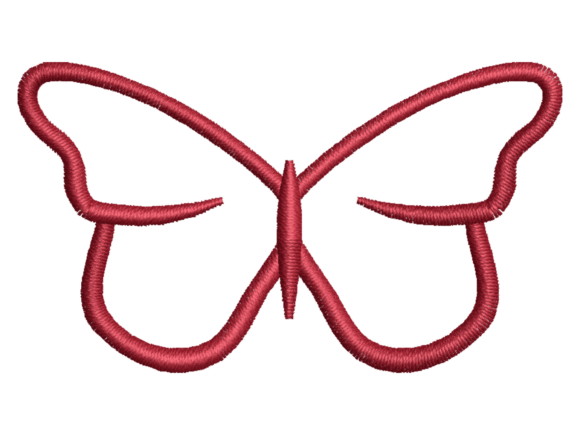
As a professional embroidery designer and product reviewer, I approach every new machine embroidery design with a critical eye. The market is saturated with overly complex digitizing that looks great on screen but fails under the needle. When evaluating the Minimal Butterfly Outline Embroidery, my primary focus was not just its aesthetic appeal, but its structural integrity for real-world production. This design promises an elegant, timeless touch of nature through a sleek satin stitch outline, and after testing it across various substrates, I can confirm it delivers on that promise—provided you understand its specific technical requirements.
First Impressions: Elegance Through Restraint
In the "Bugs" category of embroidery, butterfly designs often suffer from excessive detail. Too many color changes and dense fill areas can make a motif look stiff or dated. My first impression of this minimalist satin stitch butterfly outline was relief. It respects the negative space. The visual personality is airy and sophisticated, relying on the sheen of the thread rather than pixel-perfect realism to convey form. This restraint makes it incredibly versatile for modern custom apparel and home decor where heavy, patch-like designs feel out of place.
The layout is balanced without being perfectly symmetrical, which gives it an organic, hand-drawn quality. For Etsy sellers and makers focusing on cottage-core or minimalist aesthetics, this design bridges the gap between vintage charm and contemporary clean lines. It does not scream for attention; instead, it invites a closer look, which is exactly what you want for high-value handmade products.
Real-World Application: Stitching a Linen Tote Bag
To truly evaluate this embroidery file, I moved beyond standard quilting cotton and tested it on a natural linen tote bag intended for a boutique client. Linen is textured and unforgiving; if a design has poor registration or inadequate underlay, the flaws show immediately. I positioned the Minimal Butterfly Outline Embroidery in the lower right quadrant, keeping the scale modest to maintain the "minimal" intent.
The stitching process was smooth. Because this is primarily an outline design utilizing satin stitch columns rather than large fill stitch areas, the hoop tension remained consistent throughout. There was no fabric distortion or puckering, even on the woven texture of the linen. The result was a crisp, raised line that caught the light beautifully against the matte fabric. For a tote bag design, this level of clarity is essential. Customers perceive value in sharp edges and clean transitions. If I were selling this finished item, I would feel confident listing it as a premium accessory because the embroidery enhances the fabric rather than overwhelming it.
Versatility Across Substrates and Projects
While the tote bag test was successful, a commercial embroidery asset must perform across multiple categories. Here is how the Minimal Butterfly Outline Embroidery translates to other common projects:
- Sweatshirt Embroidery: On fleece or French terry, the satin stitch sinks slightly, creating a subtle, embossed effect. This is ideal for left-chest placement on crewnecks. Avoid scaling it up too large on knit fabrics, as the weight could drag the garment down.
- Baby Embroidery: Safety and comfort are paramount here. The lack of dense backing makes this design soft against the skin, perfect for onesies or bibs. However, ensure all jump stitches are trimmed meticulously to prevent snagging tiny fingers.
- Holiday Embroidery: While butterflies are typically spring motifs, changing the thread colors to metallic gold or deep burgundy transforms this into an elegant winter accent for napkins or gift sacks.
- Embroidered Patches: Due to its defined border, this digitizes exceptionally well as a standalone patch. Use a heavy water-soluble stabilizer and a merrowed edge finish for professional results.
Technical Cautions and Fabric Limitations
No design is universal. As an experienced reviewer, I must highlight where the Minimal Butterfly Outline Embroidery requires caution. Satin stitches are essentially long zig-zags, making them sensitive to fabric stability and scale.
- Stretchy Fabrics: On jersey knits or performance wear, you must use a cut-away stabilizer and potentially a topping. Without adequate support, the satin columns will tunnel or pull the fabric inward.
- Textured Surfaces: On terry cloth or boucle, the thin outline may get lost. Consider using a water-soluble topping to keep the stitches on the surface, or opt for a slightly thicker running stitch version if available.
- Curved Surfaces: Cap embroidery is challenging for wide horizontal spans. If placing this on a curved cap front, reduce the size significantly to prevent registration errors at the corners of the wings.
- Dark Fabrics: High contrast is key. A white satin stitch on black denim looks stunning, but pastel threads on dark backgrounds may require two passes or a white underlay base to prevent the fabric color from showing through the stitches.
Impact on Product Value and Brand Perception
For creative entrepreneurs and small shop owners, design choice directly impacts perceived value. Minimal Butterfly Outline Embroidery signals professionalism. It avoids the amateurish look of clip-art-style digitizing. When used in printable mockups or digital product previews, the clean lines render sharply even at thumbnail sizes, increasing click-through rates for Etsy sellers.
Furthermore, this design supports brand consistency. Its simplicity allows it to pair seamlessly with typography, logos, or other floral elements without competing for visual dominance. Whether you are creating personalized gifts for weddings or stocking a retail shelf, this motif adds a layer of refinement that justifies a higher price point. Buyers trust sellers who curate tasteful, well-executed art, and this design facilitates that trust.
Designer Notes for Successful Execution
Before adding this digital embroidery file to your production queue, adhere to these practical guidelines to ensure success:
- Verify Specifications: Always check the included documentation for exact stitch count, recommended hoop size, and licensing terms. Never assume compatibility with your machine format without confirming.
- Test on Scrap First: Every machine and fabric combination behaves differently. Run a test stitch-out on a scrap of your actual project material to check tension and density.
- Stabilizer Selection: Match your stabilizer to the fabric weight. Tear-away works for stable wovens like canvas, while cut-away is mandatory for knits and stretch materials.
- Thread Contrast Check: View your thread colors in natural lighting before stitching. What looks good on a monitor may lack definition in physical form.
- Licensing Compliance: If you plan to sell finished items or use the design in commercial assets, confirm the license permits such use. Respecting intellectual property protects your business reputation.
- Maintenance Advice: Include care instructions with your finished product. Satin stitches can fray in high-heat dryers; recommend air drying or low heat to preserve the integrity of the butterfly outline.
The Minimal Butterfly Outline Embroidery is a robust, aesthetically pleasing asset for any serious maker. By understanding its technical nuances and respecting the relationship between stitch type and fabric texture, you can elevate your embroidery projects from simple crafts to professional-grade merchandise. It is a testament to the fact that in embroidery, less is often more.